

Analytics
Analytics Overview
Utilities that leverage data and analytics successfully improve safety and operations while reducing costs and unplanned outages.
Utilities have a great amount of data; however, few are unlocking the full potential of this important “asset.” 85% of big data projects fail (Gartner, 2017).
- 87% of data science projects never make it to production (VentureBeat 2019).
- More recent studies suggest this has improved to 50% failing to make it to production.
Why Do Analytics?
- 1% of successful projects reported achieving ROI on their data and AI investments (NewVantage Partners)
Defining what is “Analytics/AI”
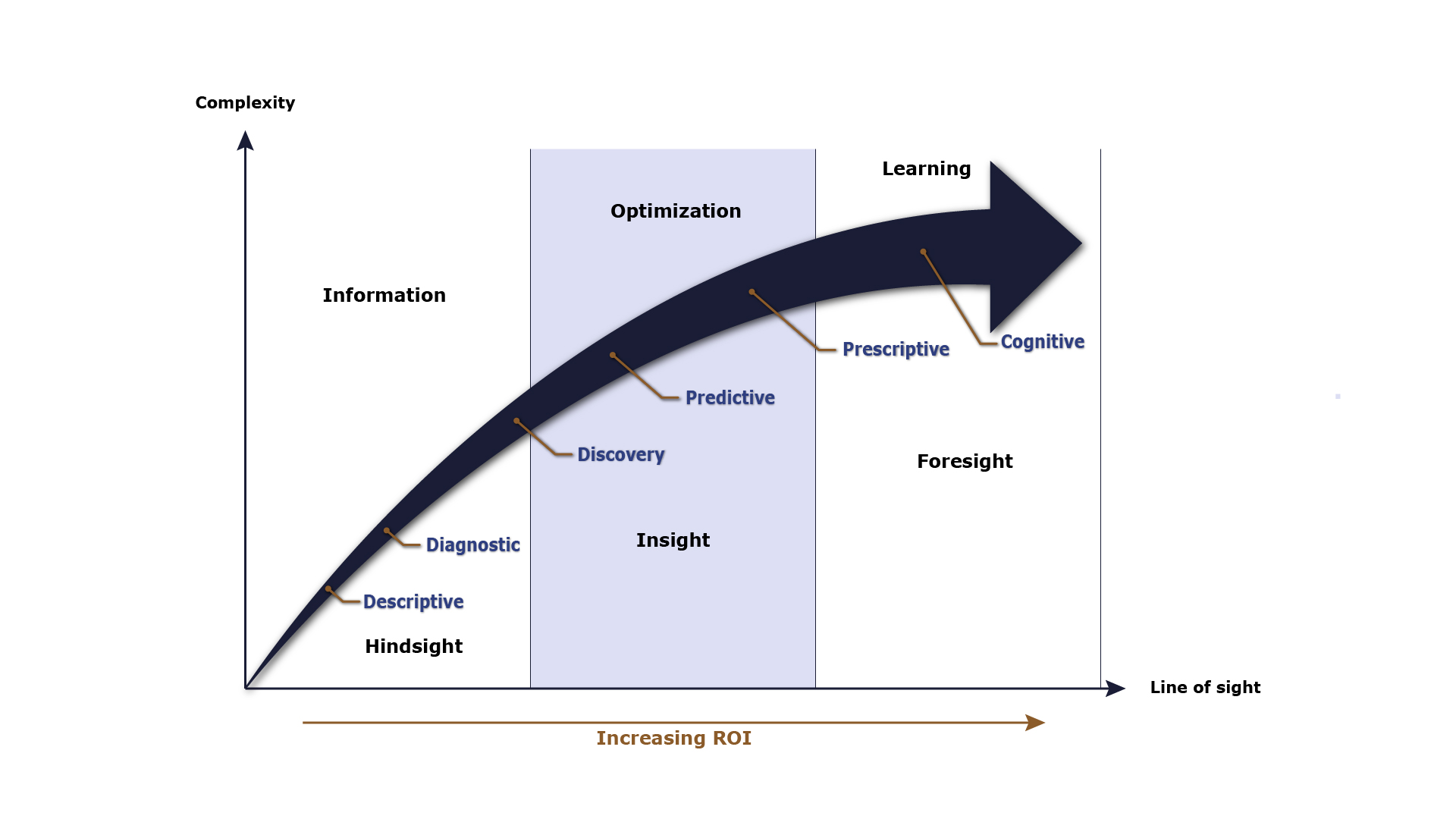
Analytics transforms raw data into actionable intelligence—empowering organizations to make smarter, faster decisions. Its primary value lies in reducing costs and uncovering new revenue opportunities.
Traditionally, analytics falls into three categories:
-
Descriptive analytics provides hindsight by explaining what has happened.
-
Predictive analytics offers insight by forecasting what is likely to happen.
-
Prescriptive analytics delivers foresight by recommending what actions to take.
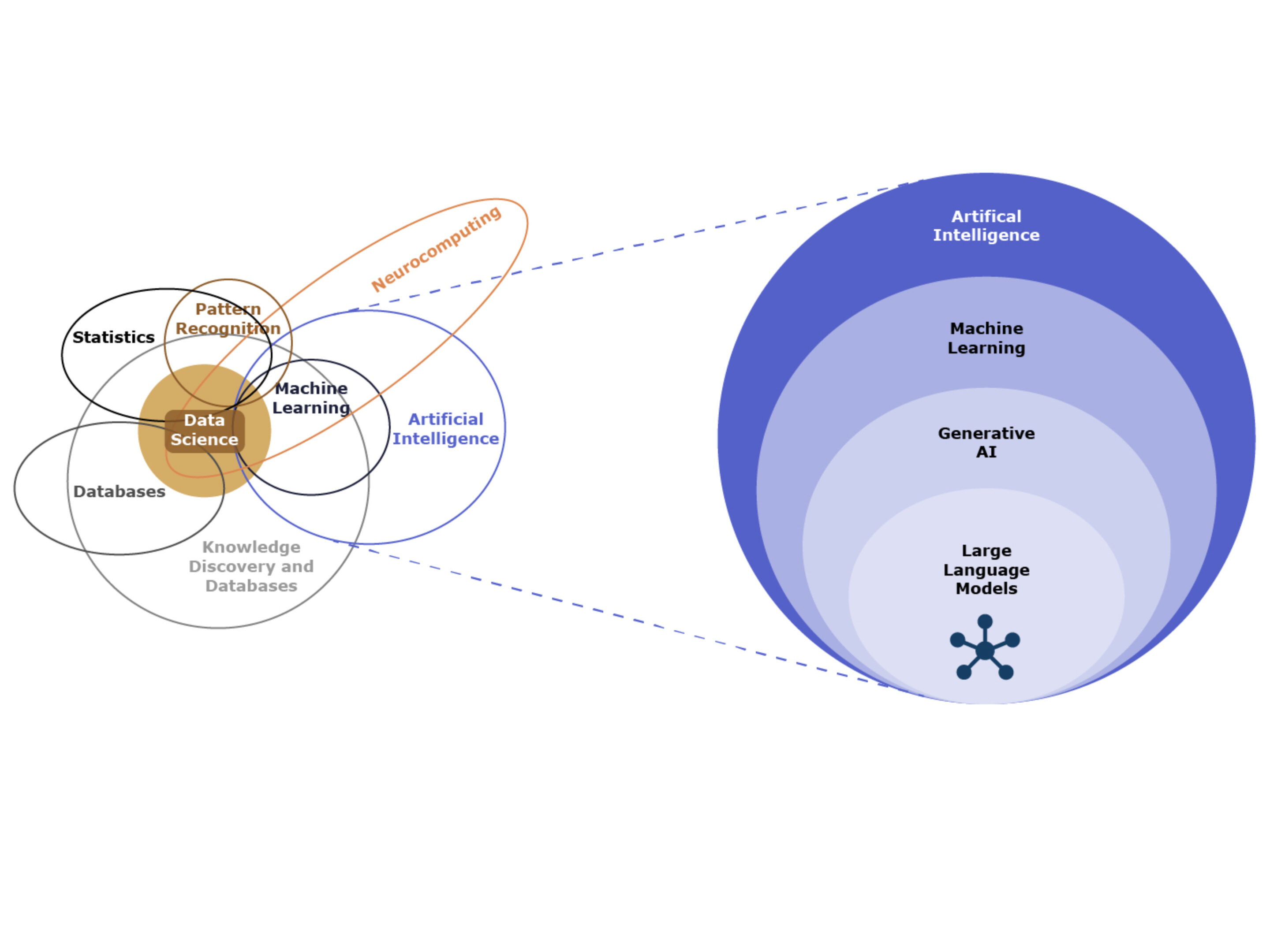
AI is a form of predictive analytics/machine learning(ML), which using extreme large sets of data which require specific deep learning(DL) algorithms and massive amounts of computation processing. AI as defined by Google’s chatbot Gemini: “creating machines that can do things that seem intelligent, like solving problems, learning from experience, and even making decisions”
- Generative AI (GenAI) is a sub-set of AI that not only uses past data for “training” but goes beyond that to “generate” new data that is then used as additional input into their models to come up with new insights that were not derived solely from “real-world” data.
- The three primary sub-categories of GenAI are: Large Language Models (LLMs) which are used for chatbots, Synthetic Data Generation, and Digital Twins.
Our Solution
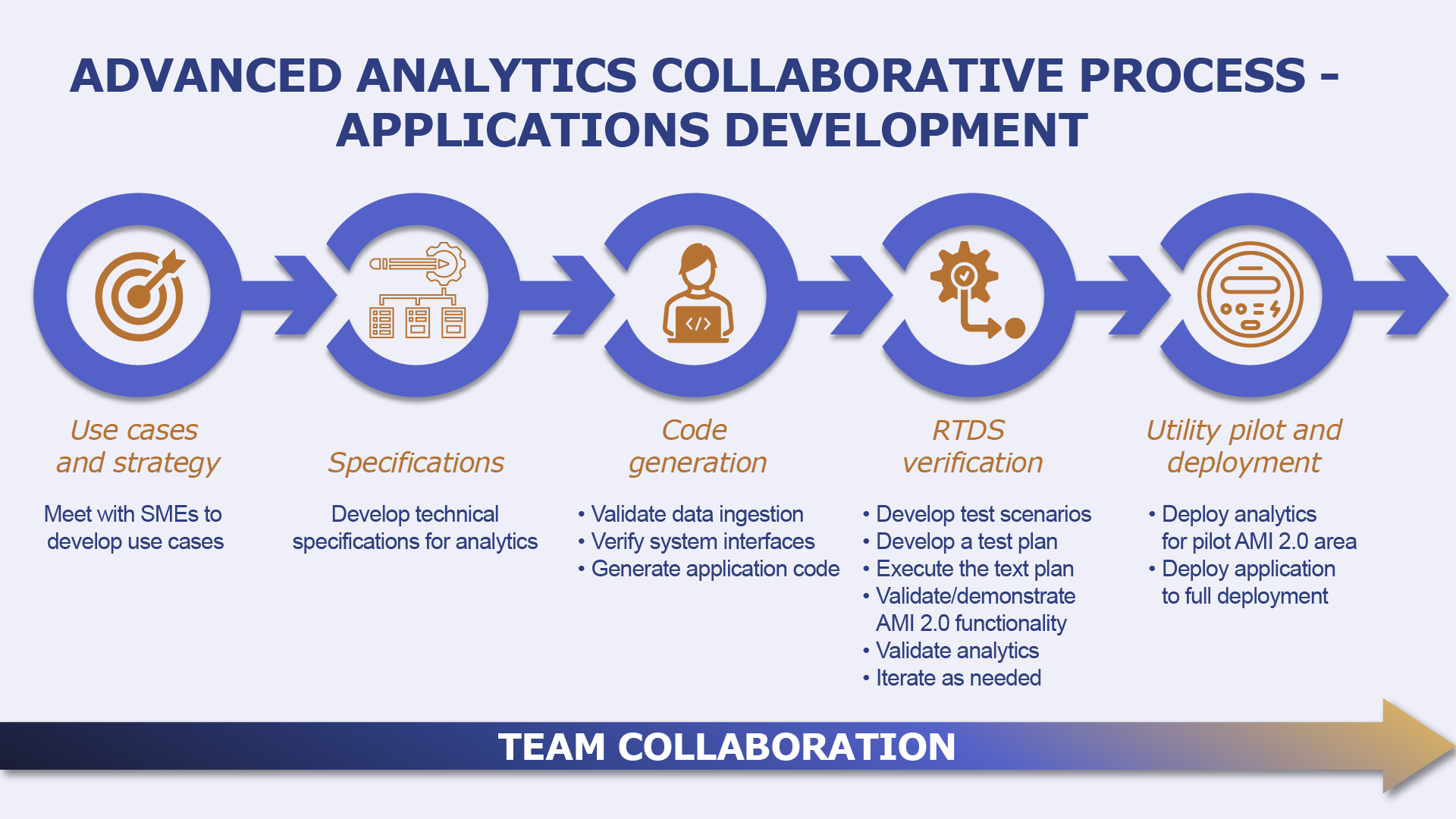
The Advanced Applications Analytics team is multidisciplinary.
The broad range of skills allow us to assist Utilities with all types of data analysis, predictive analytics using machine learning, geospatial data, relational database queries and integrations, as well as back-office software integrations.
Our expertise in cloud-based solutions allows us to both advise or migrate customer applications from on-premise to hybrid or fully to the cloud.
Contact us to learn more about Analytics