

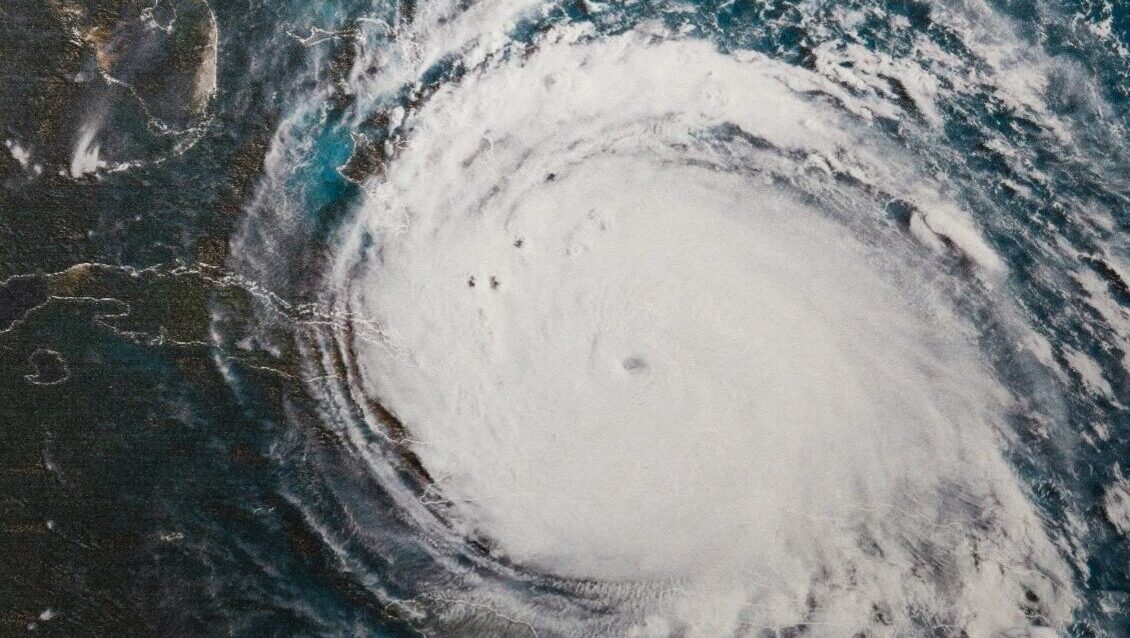
How confident is your organization that its plans, processes, and infrastructure will perform when the next major storm arrives? Danovo Energy Solutions shares insights from independent preparedness and storm assessments conducted with utilities and regulators nationwide.
Readiness Requires More Than Preparation
As utilities prepare for the peak of hurricane season, readiness is often measured in crews, materials, mutual assistance agreements, and restoration plans. These investments are essential. Yet one of the most important questions organizations can ask is fundamental:
How confident are we that our plans, processes, and infrastructure will perform as intended when the next major storm arrives?
In recent years, Danovo Energy Solutions has worked with both utilities and regulatory organizations across multiple U.S. regions to evaluate emergency preparedness, storm response performance, and infrastructure resilience. Our work has spanned hurricanes across the Gulf and Atlantic coasts, severe wind events in the Midwest and extreme winter events that tested electric systems.
While each event is different, a consistent lesson emerges from nearly every assessment: the organizations that recover most effectively are typically not those that avoid challenges altogether. Rather, they continuously evaluate, learn, and improve before the next event occurs.
Organizational Resilience
Storm resilience is often discussed in terms of poles, wires, substations, and vegetation management. Those components are important. However, post-event assessments demonstrate that restoration performance is influenced just as much by organizational preparedness as by physical infrastructure.
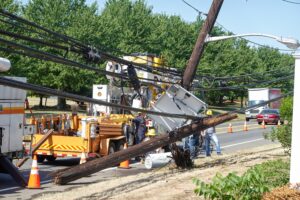
In one project following a major wind event, Danovo Energy Solutions conducted an independent review of a utility’s emergency restoration plans, processes, and practices, evaluating organizational structure, logistics, communications, staffing, restoration execution, and operational control functions. The review examined how existing plans were applied during an actual restoration effort and identified opportunities to strengthen coordination, resource management, and operational decision-making during future events.
The value of the assessment extended beyond documenting what occurred. It was identifying where planning assumptions differed from field realities and where incremental improvements could improve restoration outcomes during subsequent storms.
Learning from Real-World Storm Performance
Post-storm evaluations offer a unique opportunity to understand how systems and organizations perform under actual emergency conditions.
Danovo Energy Solutions has conducted assessments following significant hurricanes that examined both infrastructure performance and operational response. These reviews included analysis of storm characteristics, damage patterns, restoration timelines, communications strategies, and restoration protocols.
A common objective in these engagements is determining not only what failed, but why.
- Did infrastructure perform as designed?
- Were restoration priorities properly aligned?
- Were customers and stakeholders adequately informed?
- Did staffing models and logistics plans support efficient execution?
- How effectively were lessons from previous events incorporated into planning and operations?
Answering these questions helps utilities move beyond identifying lessons and toward implementing organizational improvements.
Resilience Begins Before the Storm
Multiple Danovo Energy Solutions projects have focused on evaluating preparedness programs and infrastructure resilience initiatives designed to reduce future storm impacts. These reviews have examined initiatives such as system hardening, vegetation management, infrastructure design standards, inspection programs, and reliability improvement strategies.
In many cases, these studies seek to answer a strategic question: Which investments will have the greatest impact on reliability, resilience, and restoration performance?
Effective resilience planning requires balancing risk, operational realities, cost considerations, and customer expectations.
Independent assessments help utilities prioritize investments based on measurable outcomes rather than assumptions.
The Importance of Challenging Assumptions
One of the most interesting findings across preparedness and resilience reviews is how often known vulnerabilities remain unaddressed despite previous events highlighting them.
Following severe winter weather events, industry assessments identified operational vulnerabilities, critical equipment exposure, emergency planning gaps, and weatherization deficiencies that had been recognized years earlier but remained insufficiently addressed. Similar patterns emerge after hurricanes and severe wind events, where recurring issues often stem not from a lack of awareness, but from competing priorities, resource constraints, or assumptions that an extreme event is unlikely to occur again.
Independent reviews provide an opportunity to challenge those assumptions.
By bringing an external perspective grounded in operational experience, industry benchmarking, and lessons learned from major storm events, organizations can identify risks, validate preparedness efforts, and prioritize resilience investments more effectively.
Looking Ahead
As we enter the height of hurricane season, utilities across the country are focused on readiness. Resilience is not a destination; it is a continuous process of evaluation, learning, and improvement.
Danovo Energy Solutions has supported utilities and regulatory organizations through preparedness reviews, storm response assessments, infrastructure resilience evaluations, and post-event analyses across a range of weather-related events.
The best time to evaluate storm performance is before the next storm puts your organization to the test.
In Summary
By combining independent analysis with practical utility experience, organizations can strengthen preparedness, improve restoration performance, and build greater resilience for the customers and communities they serve.
Contact us to learn more about utility resilience and storm preparedness